leela.
in Sanskrit, divine play — the effortless, joyous expression of the cosmos.
in Arabic and Hebrew, night, dark beauty.
for an astrophotographer, no single word could be more apt.
i have been fascinated by the universe since i was a child. the more we learn about it, the more awe-inspiring and humbling it becomes.
the beauty is intense. the energy involved, immense. the distances and the time, unfathomable.
we exist in deep time, and we are but fireflies — flashing so briefly that one could wonder whether we were ever there at all.
but to ask the question is to be there.
as but one of hundreds of thousands of species on a small planet, we are revolving around a middling star, in the arm of a middling galaxy, in a vast and largely indifferent universe.
and yet we find ourselves in a uniquely remarkable position, able to look and enquire:
what is this thing we live in?
what is out there?
and what can it teach us about ourselves and our world?
you are made of this.
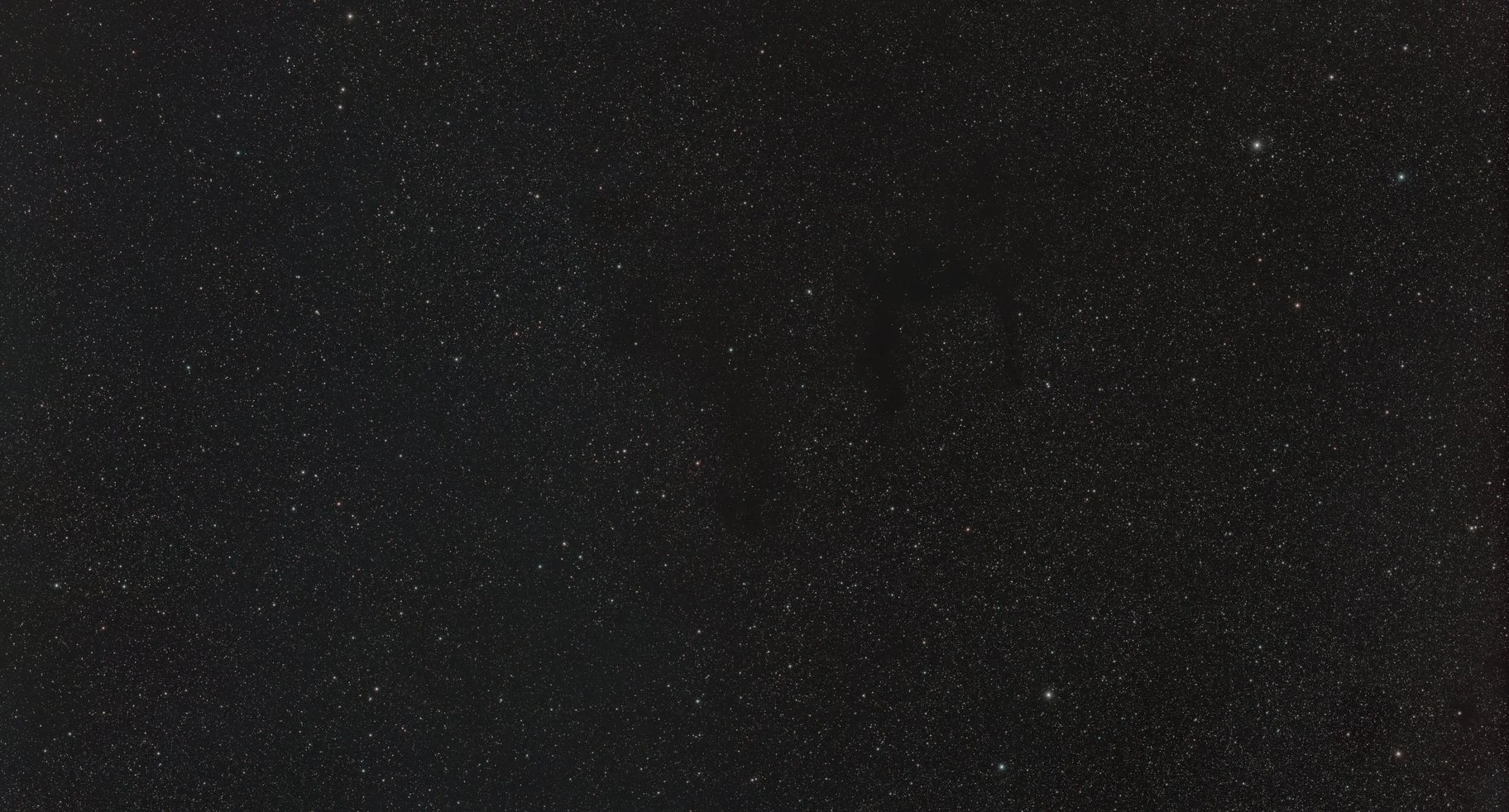
every image in this collection has been made with equipment i have carefully selected, configured, and refined. no rented telescopes or commercial datasets, but artisanal optics from master craftsmen across the world: Ceravolo, STF, Takahashi, TeleVue, Zeiss, Solarscope among others.
each instrument was chosen with purpose, and represents decades of optical mastery brought to bear on the questions above, with the sole aim of wanting to share with you the speechless beauty of this universe that we find ourselves in.
a range of CMOS cameras have been used with a variety of filters, paired to work with the telescopes, and configured for the different challenges that the conditions they are being used in present.
data has been collected over many hours, often in batches spanning weeks and months, and then carefully analysed, calibrated and processed. in a world full of artificial intelligence slop, these images are real!
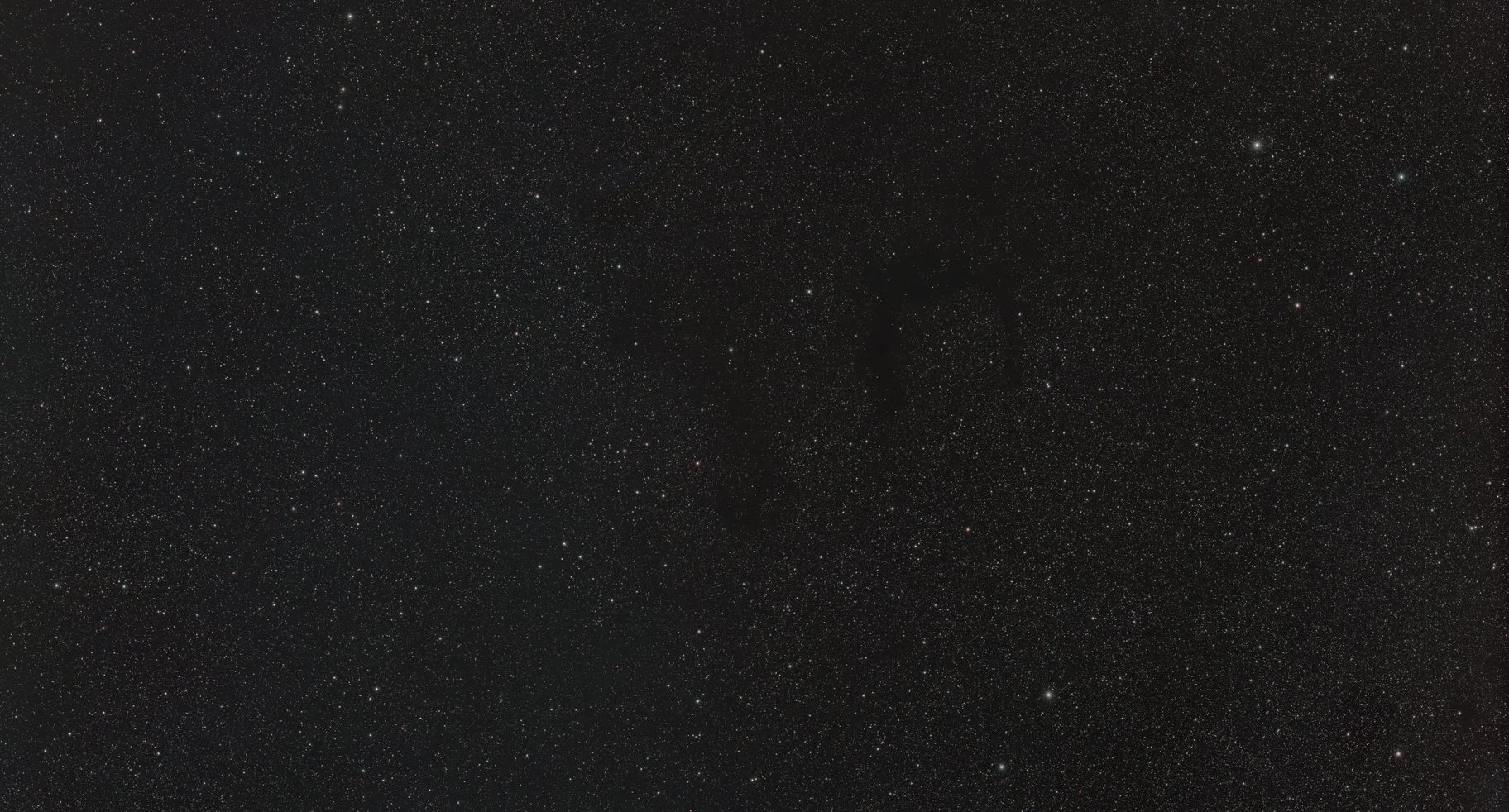
these are images from two worlds.
the first is Kagga Kamma Remote Observatory, deep in the Cederberg Mountains of South Africa — a protected nature reserve where leopards still roam freely under Bortle 1 skies.
skies so dark, so ancient, so unchanged that they are not unlike those that looked down on the very dawn of our species.
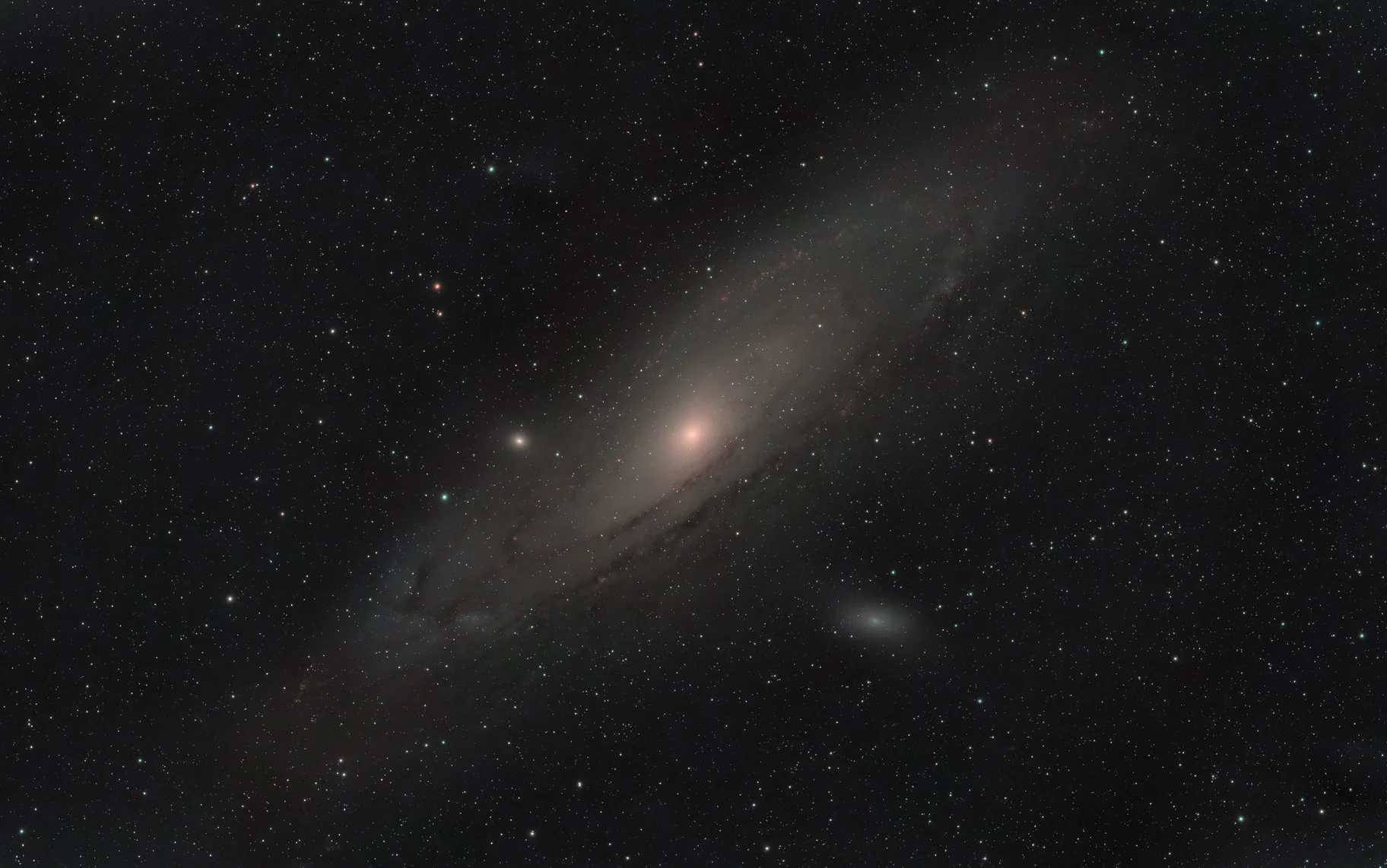
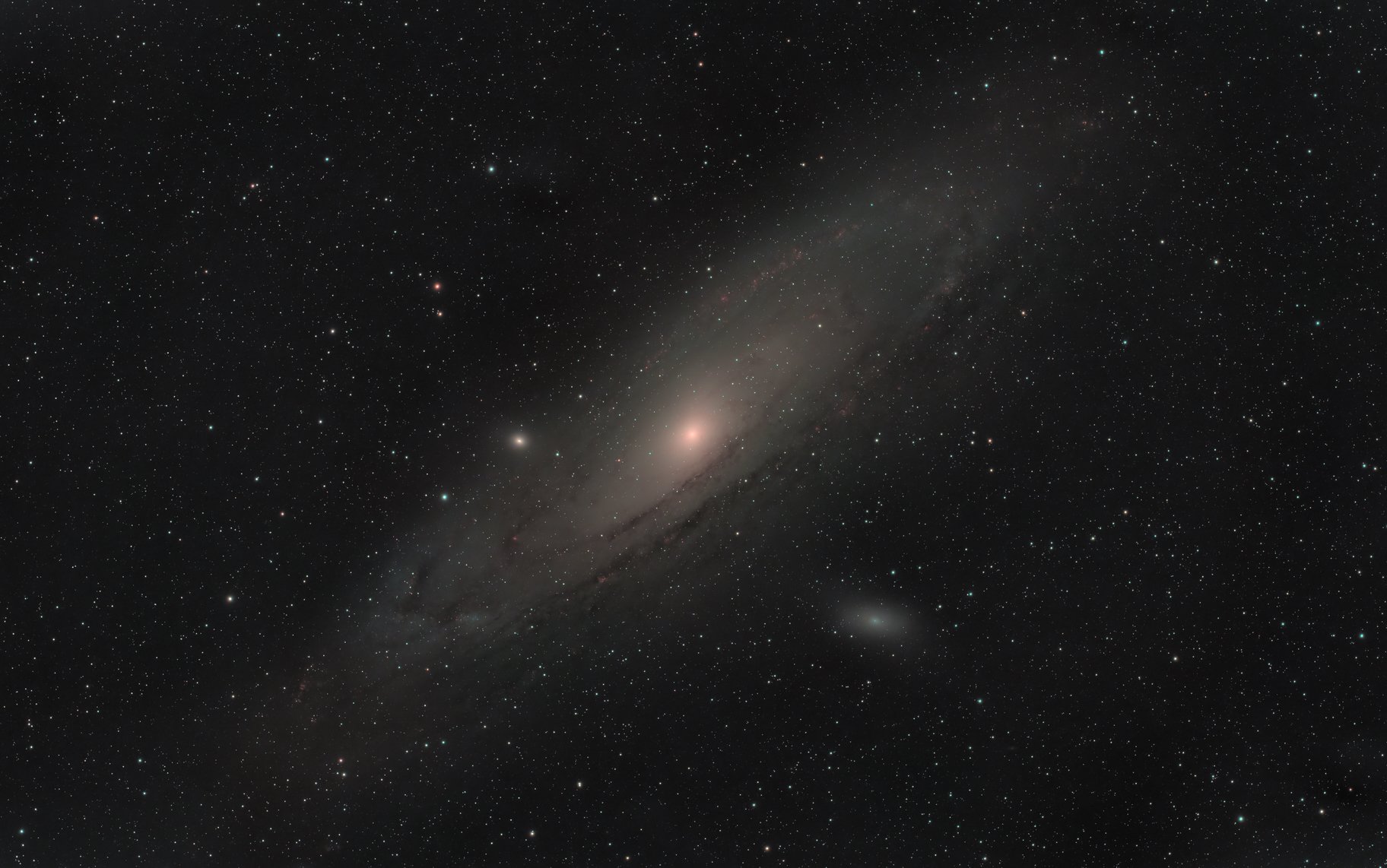
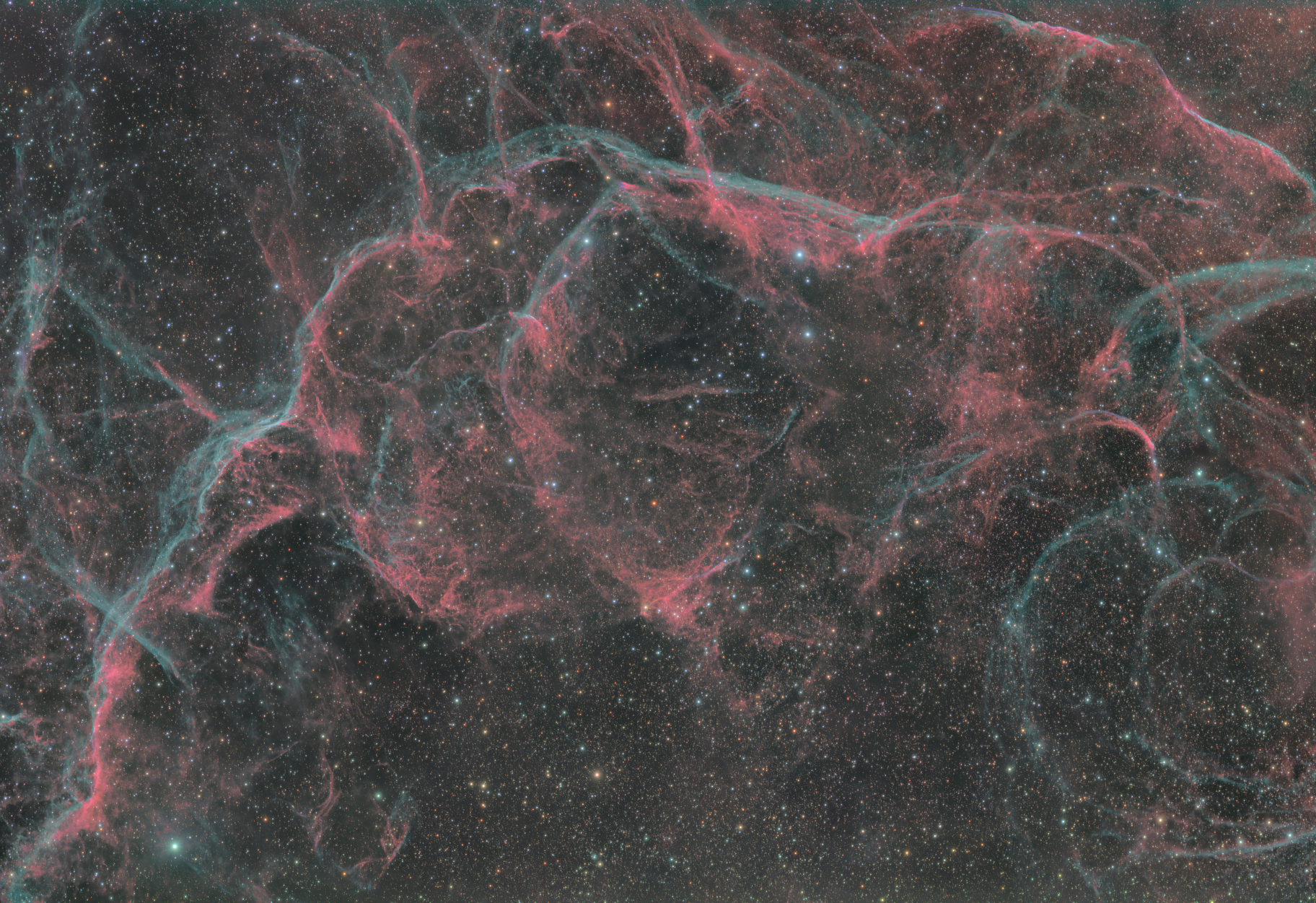
here, under conditions that few astrophotographers on earth are lucky enough to experience, i image the deep south (the Eta Carinae Nebula, the Vela Supernova Remnant, and a host of obscure catalogue objects that northern observers cannot reach) while also looking afresh at the classic north from half the world away
the second is a densely populated urban environment, Bortle 9, where the sky glows with the light of millions of lives being lived beneath it.
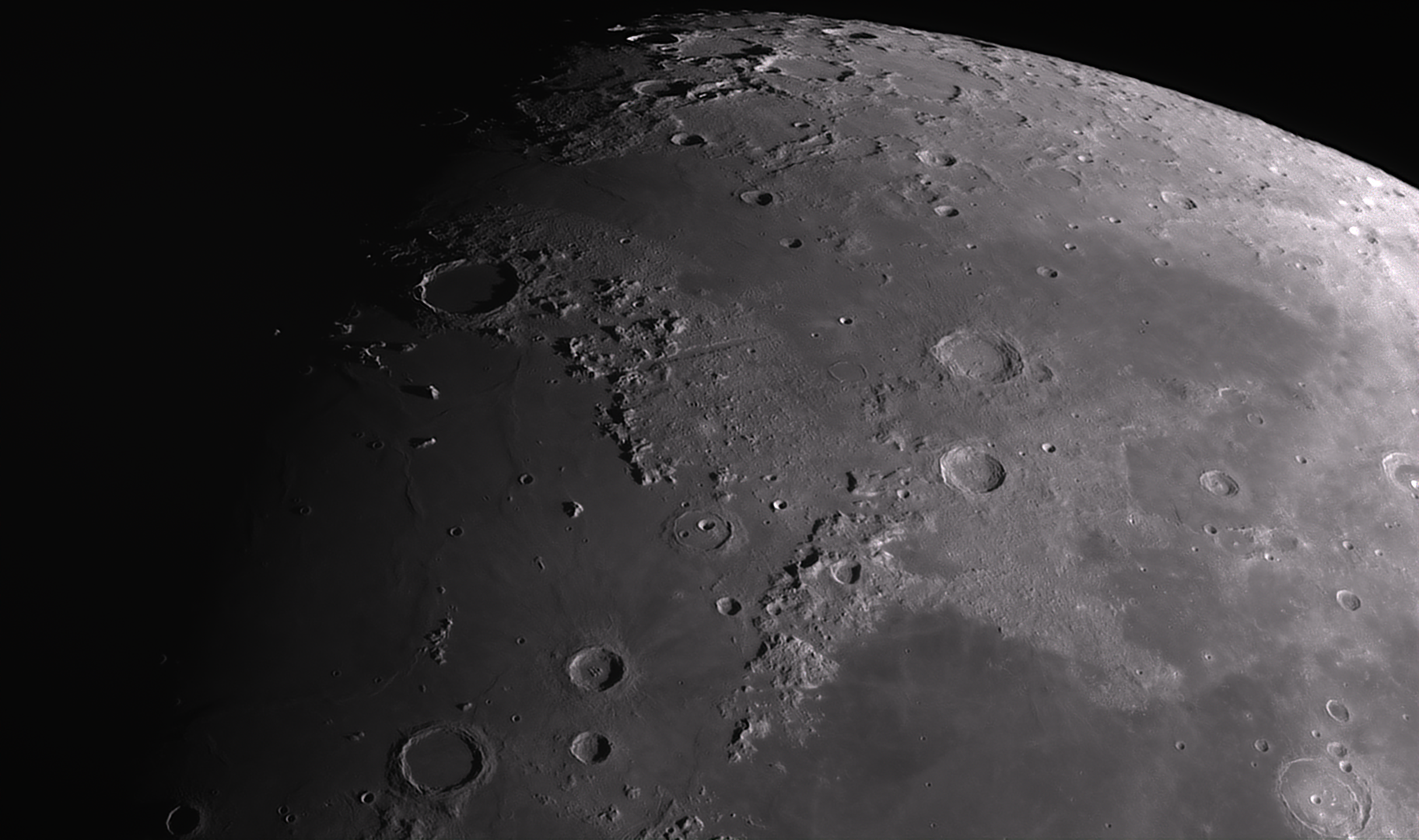
where most would see only orange haze, i still find beauty — in the Sun, the Moon, the planets, and in the fleeting moments when the seeing steadies and the deeper cosmos reveals itself through the noise.